


An Extraordinary Place for Everyday Care

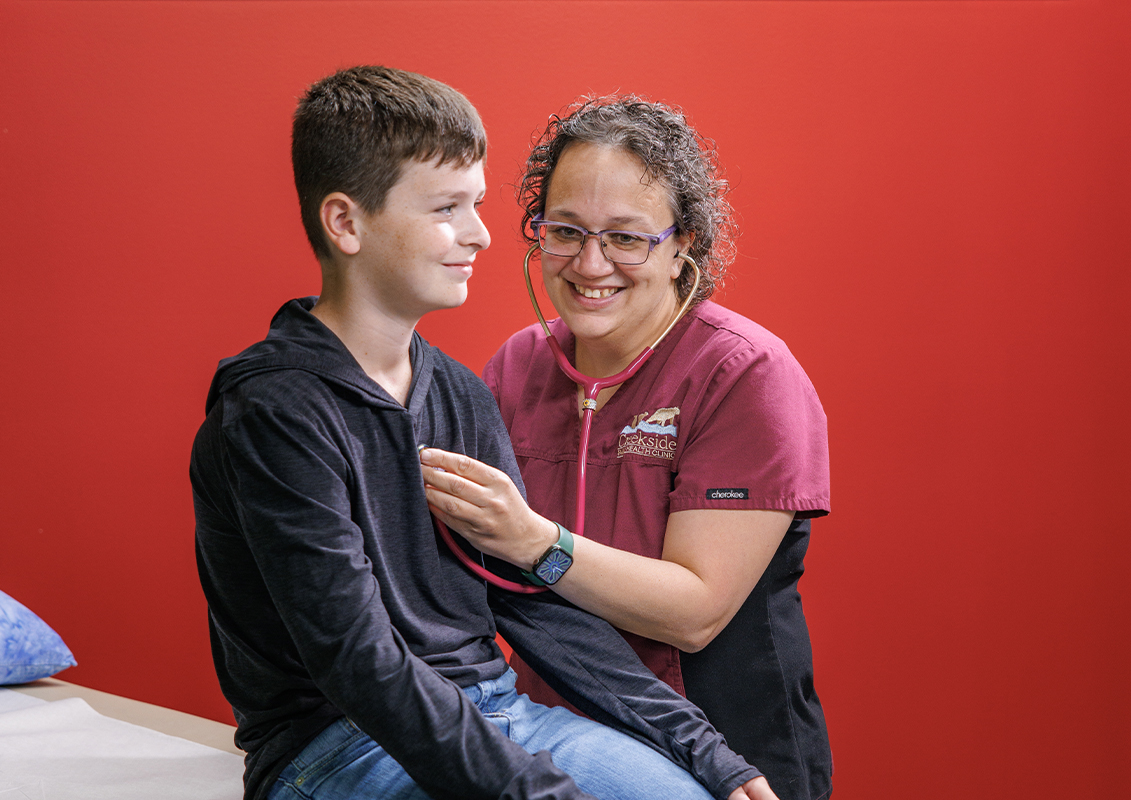
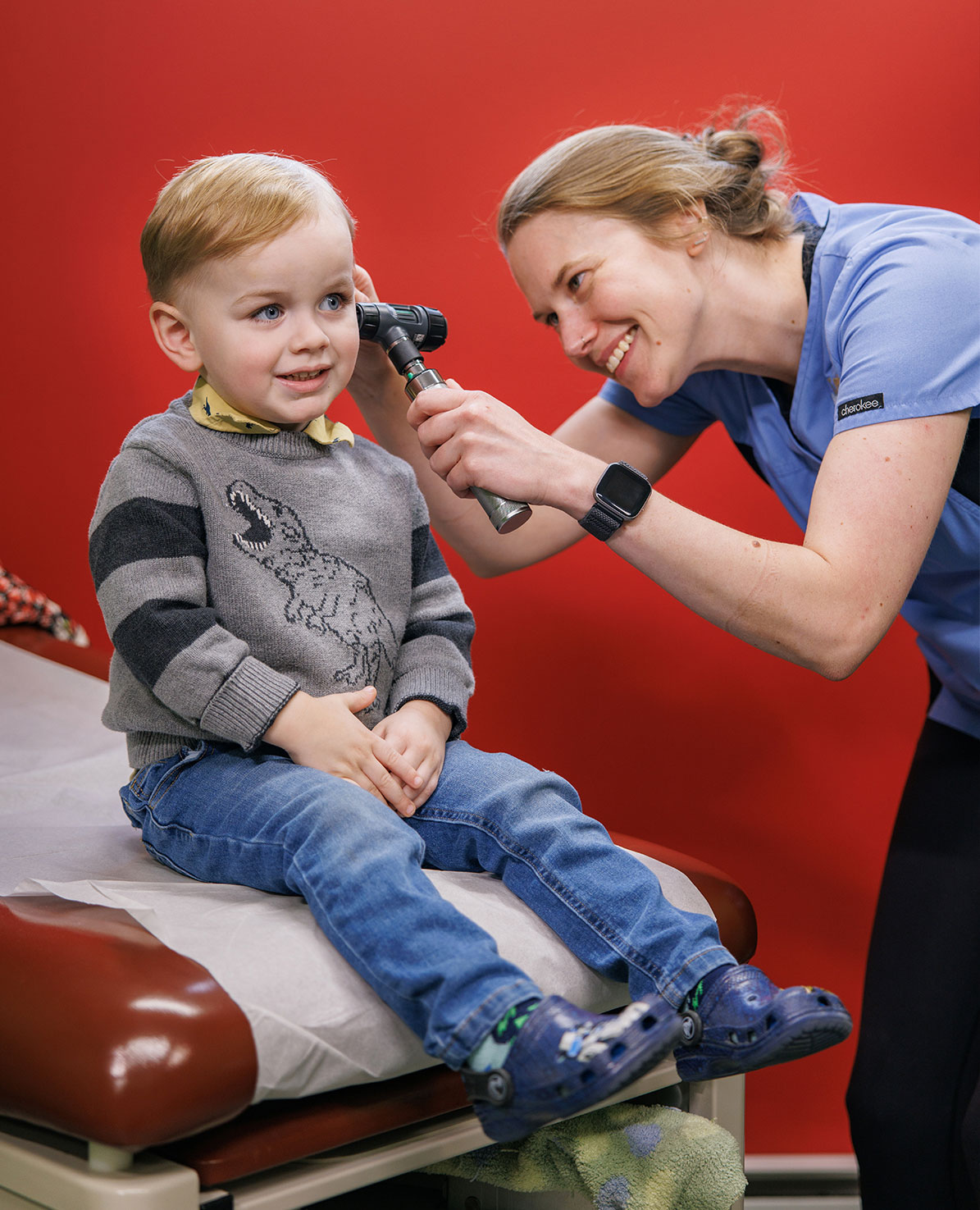
Nurse Practitioners at Creekside Family Health Clinic have advanced training in the diagnosis and management of common medical problems including:

  • Routine Family Care for
    Ages 2 to 65
  • Treatment of Common Injuries and Illnesses - Same Day Service
  • Diabetes Care
  • General Wellness and Physicals
  • Prescriptions
  • Immunizations
  • Physicals and Annual Examinations
  • Walk-In Lab Tests
  • Women's Health Exams
  • Consultation and Referral with Other Medical Professionals

Take Control of Your Health

Our clinic is staffed by medical professionals who are accessible, personal, supportive and first quality. It is our goal at Creekside Family Health Clinic for you take control of your health.


We provide the health care services you need to stay healthy and live healthy. Take Control of Your Health through Affordable and Convenient Lab Testing. Creekside Family Health Clinic offers a variety of useful lab tests directly to patients.

Clinic Video

Creekside Clinic News

Flu Shots Now Available

Posted on September 20th, 2012

Creekside Family Health Clinic will be providing flu shots on a walk-in basis, Monday through Friday, 8:00 a.m. to 7:00 p.m..  Most insurance plans cover the cost of the shot which is also available at $30 for those without insurance.  Flu refers to illnesses caused by a number of different influenza viruses.  The flu can cause a range of symptoms and effects, from mild to serious.  Vaccination is the best protection against contracting the flu and spreading it to others.  Individuals are encouraged to get vaccinated  as early in the season as possible.

For more information about the upcoming flu season and vaccination information, the Center Disease Control website is a great resource: http://www.cdc.gov/flu/about/season/flu-season-2012-2013.htm.  Some of the site’s information is summarized below.

What should I do to prepare for flu season?

CDC recommends that everyone 6 months and older get a flu vaccine each year. Getting a flu vaccine is the first and most important step in protecting against this serious disease.  It’s especially important for some people to get vaccinated. Those people include the following:

  • People who are at high risk of developing serious complications like pneumonia if they get sick with the flu
    • This includes people who have certain medical conditions including asthma, diabetes, and chronic lung disease.  Pregnant women. People 65 years and older.
    • People who live with or care for others who are high risk of developing serious complications.  This includes household contacts and caregivers of people with certain medical conditions including asthma, diabetes, and chronic lung disease.

 When should I get vaccinated?

CDC recommends that people get vaccinated against influenza as soon as 2012-2013 flu season vaccine becomes available in their community. Influenza seasons are unpredictable, and can begin as early as October.  It takes about two weeks after vaccination for antibodies to develop in the body and provide protection against the flu.

 Why do I need a flu vaccine every year?

A flu vaccine is needed every year because flu viruses are constantly changing. It’s not unusual for new flu viruses to appear each year. The flu vaccine is formulated each year to keep up with the flu viruses as they change.  Also, multiple studies conducted over different seasons and across vaccine types and influenza virus subtypes have shown that the body’s immunity to influenza viruses (acquired either through natural infection or vaccination) declines over time. 

 Is there treatment if I get sick with the flu?

Yes. If you get sick, there are drugs that can treat flu illness. They are called antiviral drugs and they can make your illness milder and help you feel better faster. They also can prevent serious flu-related complications, like pneumonia.

 What sort of flu season is expected this year?

Flu seasons are unpredictable in a number of ways. Although epidemics of flu happen every year, the timing, severity, and length of the epidemic depends on many factors, including what influenza viruses are spreading, whether they match the viruses in the vaccine, and how many people get the vaccine.

 When will flu activity begin and when will it peak?

The timing of flu is very unpredictable and can vary from season to season. Flu activity most commonly peaks in the U.S. in January or February. However, seasonal flu activity can begin as early as October and continue to occur as late as May. The 2011-2012 season began late and was relatively mild compared with previous seasons. It is not possible to predict how mild or severe the 2012-2013 season will be.  Flu viruses are constantly changing so it’s not unusual for new flu viruses to appear each year.

 What flu viruses does the vaccine protect against?

Flu vaccines are designed to protect against three influenza viruses that experts predict will be the most common during the upcoming season. Three kinds of influenza viruses commonly circulate among people today: influenza B viruses, influenza A (H1N1) viruses, and influenza A (H3N2) viruses. Each year, one flu virus of each kind is used to produce seasonal influenza vaccine.

The 2012-2013 influenza vaccine is made from the following three viruses:

  • an A/California/7/2009 (H1N1) pdm09-like virus;
  • an A/Victoria/361/2011 (H3N2)-like virus;
  • a B/Wisconsin/1/2010-like virus (from the B/Yamagata lineage of viruses).

While the H1N1 virus is the same as the 2011-2012 recommendation, the recommended influenza H3N2 and B vaccine viruses are different from those recommended for the Northern Hemisphere for the 2011-2012 influenza vaccine.

 How long does a flu vaccine protect me from getting the flu?

Multiple studies conducted over different seasons and across vaccine types and influenza virus subtypes have shown that the body’s immunity to influenza viruses (acquired either through natural infection or vaccination) declines over time. The decline in antibodies is influenced by several factors, including the antigen used in the vaccine, and the person’s general health (for example, certain chronic health conditions may have an impact on immunity). When most healthy people with regular immune systems are vaccinated, their bodies produce antibodies and they are protected throughout the flu season, even as antibody levels decline over time. People with weakened immune systems may not generate the same amount of antibodies after vaccination; further, their antibody levels may drop more quickly when compared to healthy people.

 I have heard of people who don’t get vaccinated against influenza in September or October because they want it to “last” through the entire influenza season. Should people wait until later in the influenza season to be vaccinated?

CDC recommends that influenza vaccination begin as soon as vaccine becomes available in the community and continue throughout the flu season. It takes about two weeks after vaccination for antibodies to develop in the body and provide protection against influenza, and influenza seasons can begin as early as October. Therefore, CDC recommends that vaccination begin as soon as vaccine becomes available to ensure that as many people as possible are protected before flu season begins.

New Staff – Jane Bolima

Posted on September 14th, 2012

Please join us and welcome Jane Bolima as the newest member of our staff.  She is completing her apprentice training as a Medical Assistant through the Ketchikan Jobs Center and will be helping to support patient care at many different levels.  She previously worked for the past five-and-a-half years at the United States Coast Guard Health Clinic as a Medical Records Technician.  Prior to moving to Ketchikan in 2001, she worked for twenty years as a Ward Secretary at Harrison Medical Center, Bremerton WA.  Her work experience there included Surgery, Anesthesia, PACU, MedSurg, PED’s, L&D and the Emergency Department.   Many of you may also remember her from previous local work as an insurance agent for with Davies-Barry.  She is very active in St. John’s Church and volunteers in the community with several groups including the Misty Thistle Pipe and Drum band.  Welcome Jane!

Expanded Hours

Posted on February 1st, 2012

Creekside Family Health Clinic announces expanded weekday and weekend hours, beginning Saturday, January 14th.  In an effort to provide needed services at more convenient times, the clinic will now stay open from 8:00 a.m. to 7:00 p.m., Monday through Friday, and 10:00 a.m. to 4:00 p.m. on Saturdays.  In addition, clinic staff will maintain an on-call line Sundays from 10:00 a.m. to 4:00 p.m. allowing patients to speak with a medical professional and make Sunday appointments if necessary.

The change in hours meets the needs of patients for appropriately scaled services outside of regular work hours.  “We often hear from patients that it can be difficult to leave work or school for health appointments”, say clinic owner and Nurse Practitioner, Lani Hill, FNP-BC.  “Hopefully this change will make it easier for people to schedule medical appointments at times that work better for them.”

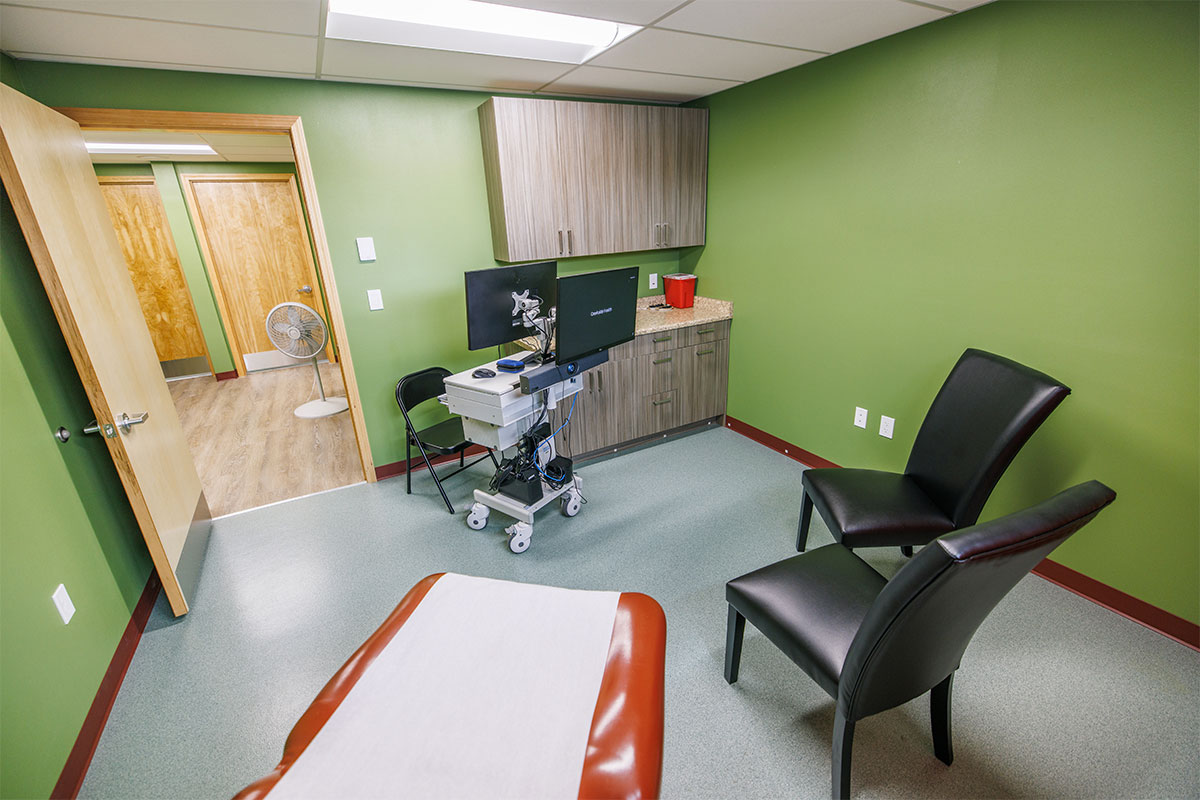
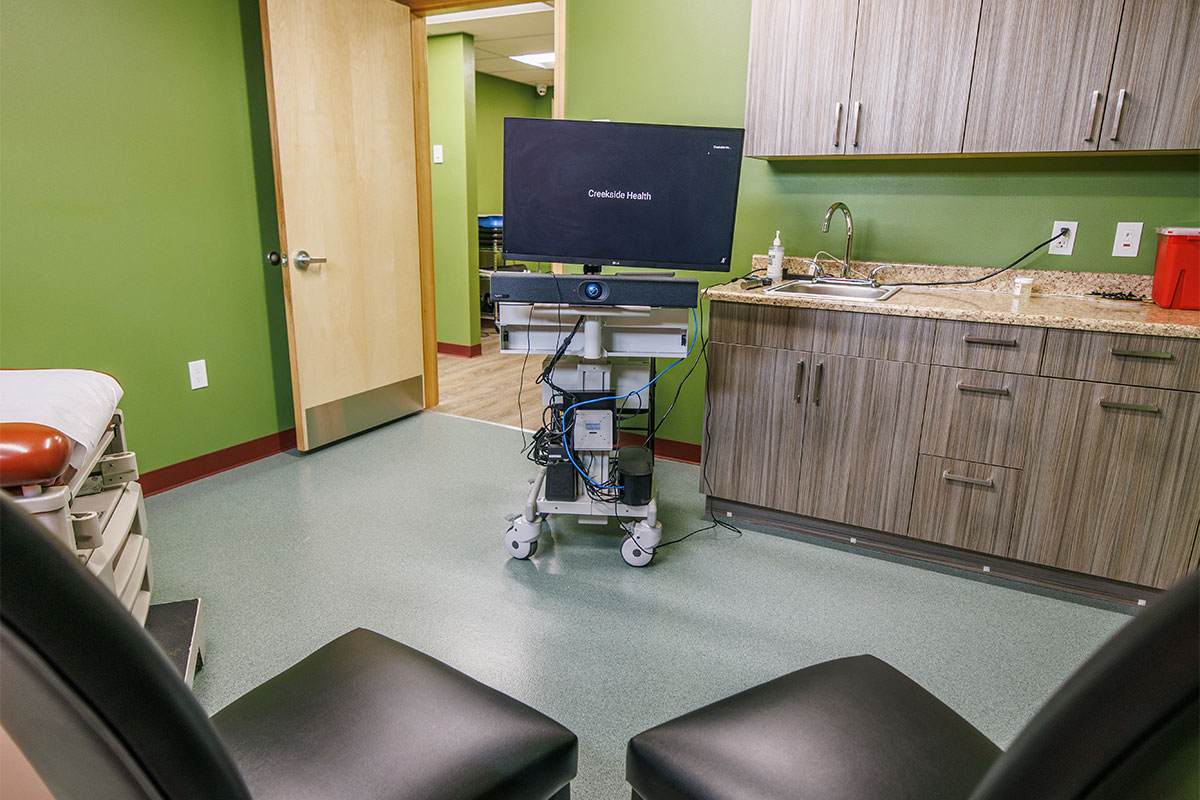
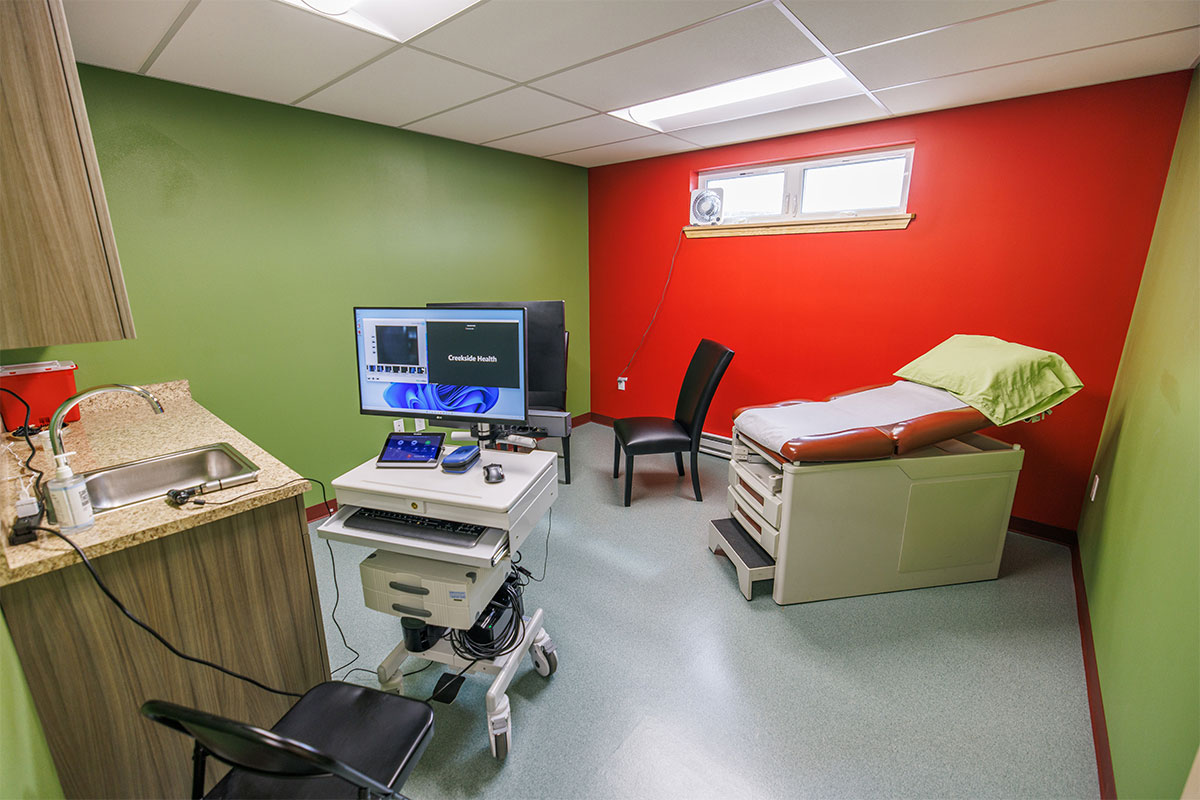
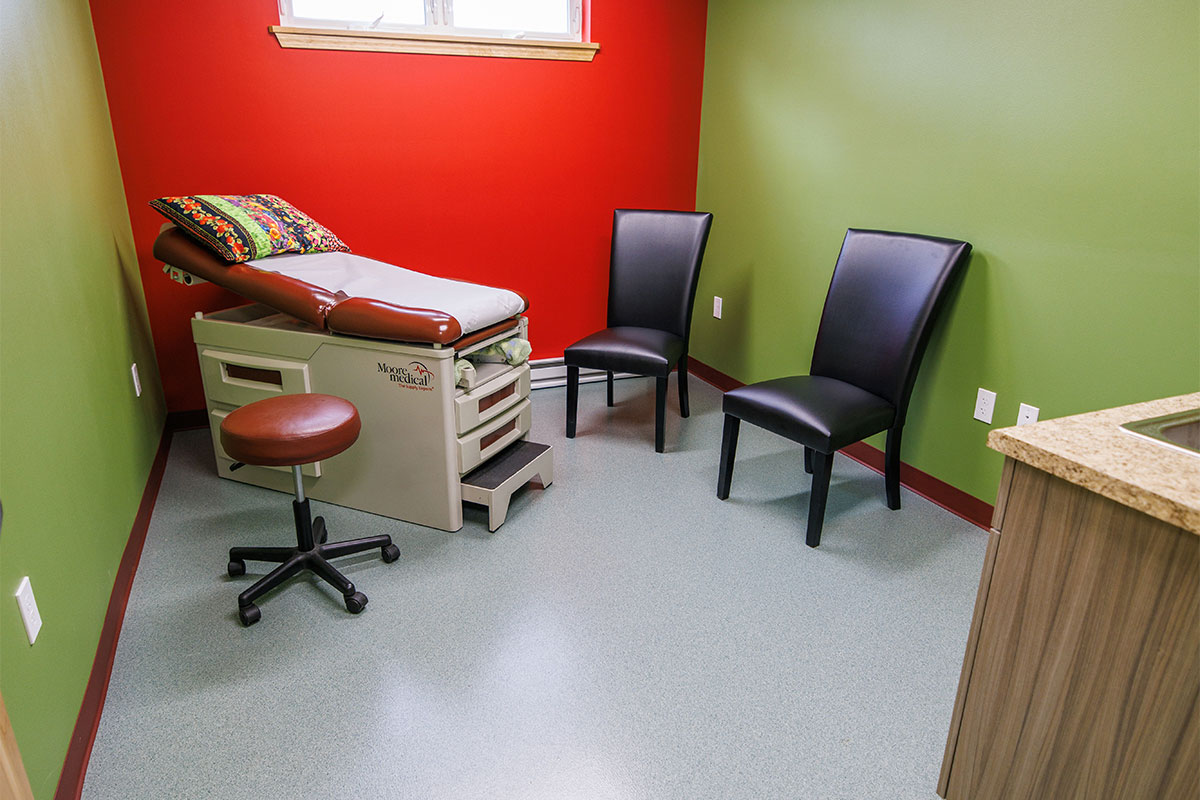
The clinic underwent a major expansion in May 2011.  It added two new exam rooms and four additional Nurse Practitioners to the medical staff allowing the clinic to accommodate same day appointments and walk-in care.

“Our goal has always been to get patients in as quickly as possible.  It’s just that we have never had enough hours to always pull it off”, says John Hill, clinic Business Manager.  He points out that the same day approach has a number of benefits.  Prompt medical attention can decrease the severity of the illness, decrease lost time from work, and decrease costs to the patients and their insurance.  “A same day approach can decrease health care costs for everyone over the long term”, Hill states. 

The clinic, which is located downtown in the Mary Frances building, provides primary health care as well as treatment of minor injuries and illnesses that need to be seen right away.  In addition, the clinic staff provides work, sports, and school physicals; workers compensation exams; women’s health; prescriptions, immunizations and vaccines; diabetes care; and treatment of skin and nail conditions among other routine care.  The clinic also offers walk-in lab services without a medical visit or appointment.

Payment and Insurance Plans

Creekside Family Health Clinic accepts most private and federal insurance plans as well as Medicaid, Denali KidCare, Medicare, and all major credit cards.

Clinic Hours

Monday - Friday: 8am - 7pm
Saturday: 10am - 4pm
Sunday: 10am - 4pm (by appointment only)